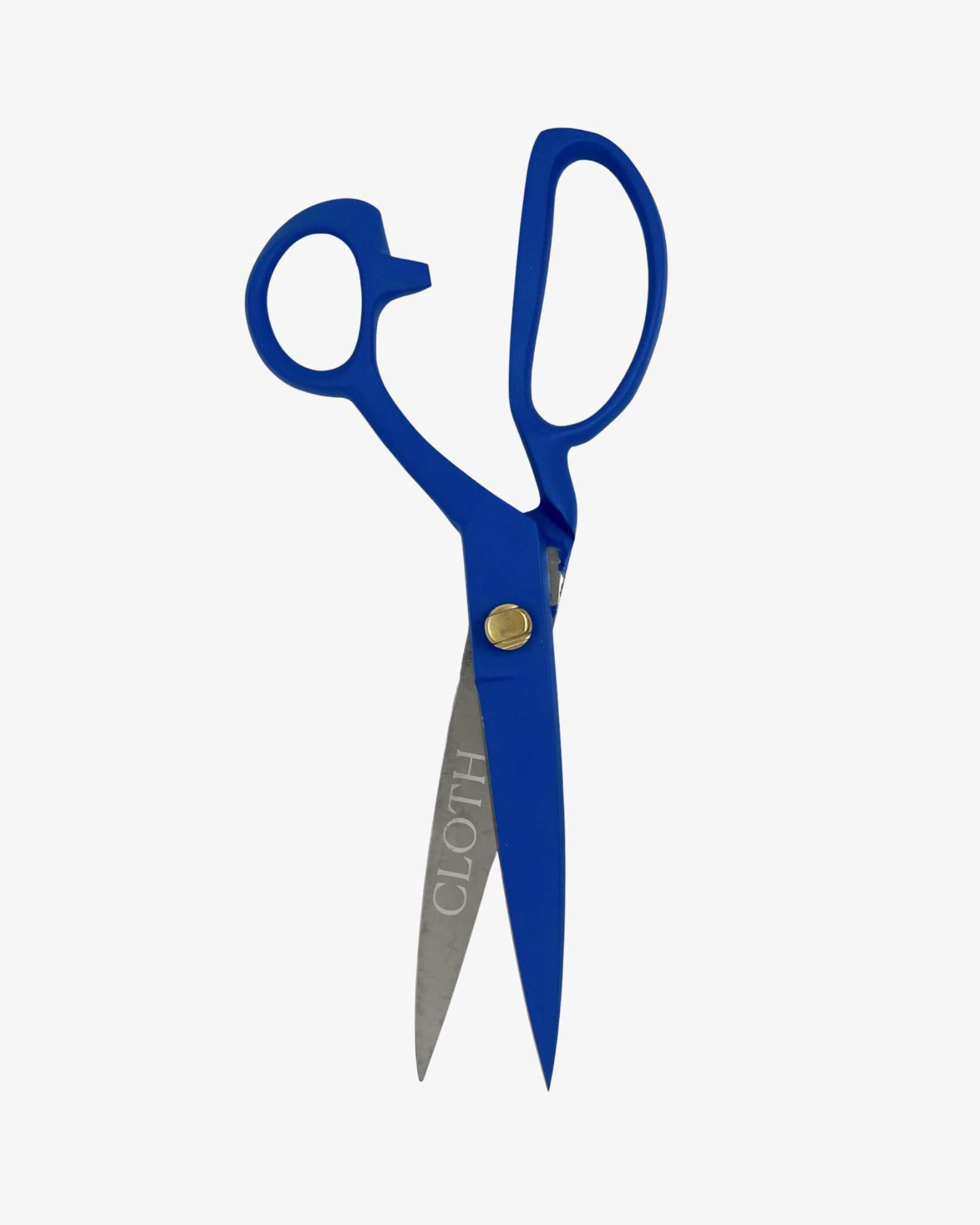
$75.00 USD
 $200.00 USD
 $250.00 USD
 $7.50 USD
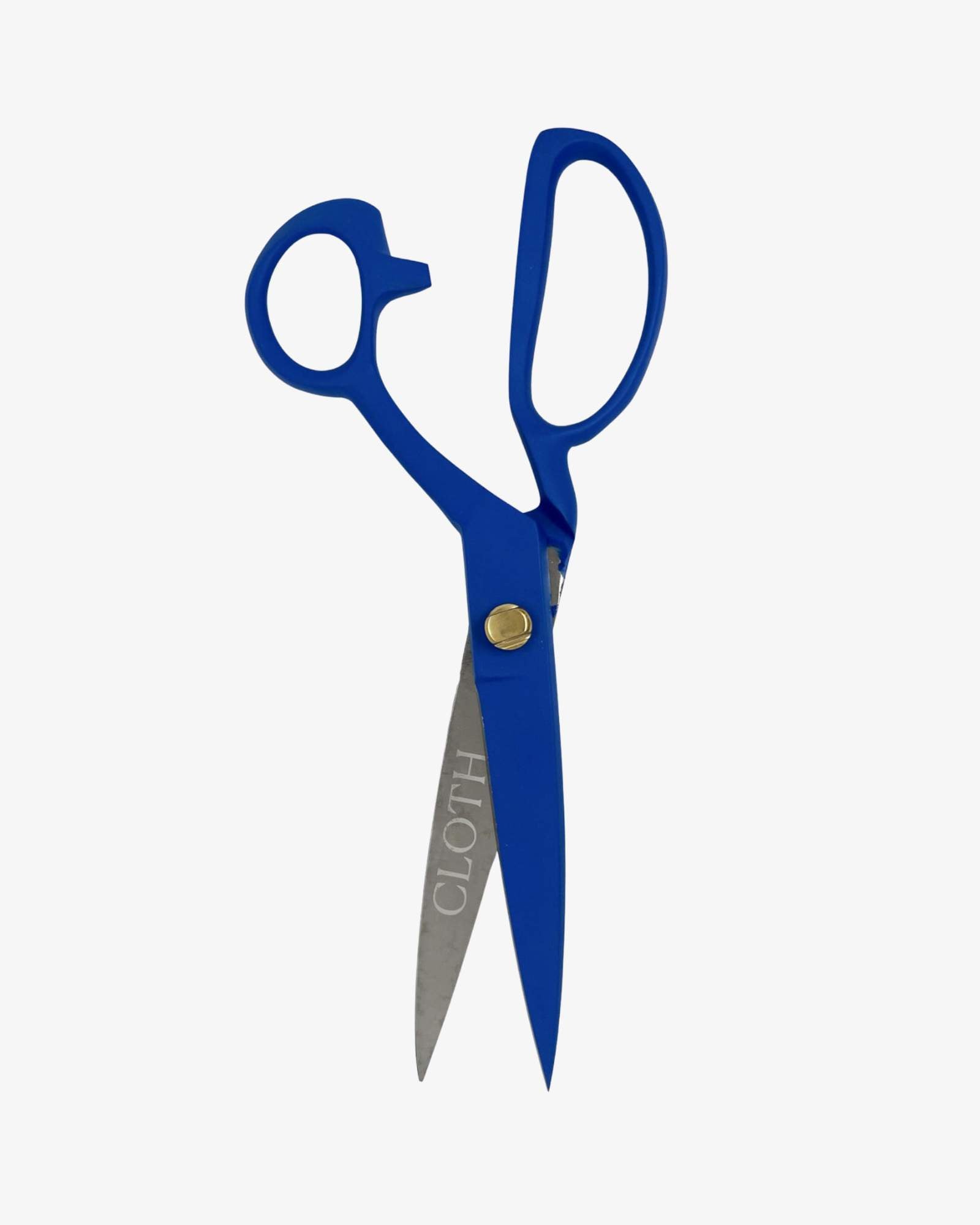 $70.00 USD
 $500.00 USD
$875.00 USD
$500.00 USD
$875.00 USD $60.00 USD
$100.00 USD
$60.00 USD
$100.00 USD $12.00 USD
 $54.00 USD
 $24.95 USD
 $45.00 USD
 $25.00 USD
$49.95 USD
$25.00 USD
$49.95 USD


What does it mean to make something by hand? How does the act of making—slow, tactile, attentive—shape the way we think, relate, and imagine our worlds?
TATTER Reading Group invites you into a shared exploration of craft, creativity, and meaning. Together we’ll read a mix of essays, fiction, memoir, and myth, considering how acts of making—woven, stitched, written, worn—become ways of thinking and being. Each session will include guided discussion and, when it feels right, optional time for generative writing or simple hands-on making inspired by the readings.
We’ll meet once a month for three sessions, with plans to reconvene in the fall. You’re warmly invited to join us in person at the library or virtually. Online participants may listen live and contribute observations or questions via chat, which will be woven into the conversation.
_____________________________________________________________________________
Session 1: Labor and Garment
Reading: “The Threaded Needle” by Merce Rodore or “The New Dress” by Virginia Woolf
Returning to the relationship between sewist and garment, we’ll read “The Threaded Needle” by Merece Rodoreda, who worked as a seamstress to support herself while in exile from Barcelona during Franco’s rule in the mid- to later-20th Century. If time permits, we can connect back to Woolf, whose “The New Dress” also considers the seamstress but from the position of the person wearing the dress rather than the one making it.
We’ll explore:
Session 2: Poems About Making
Readings: Anne Boyer’s “Garments Against Women” by Anne Boyer, “Placebo” by Mei-Mei Bersenbrugge, “Tender Buttons” by Gertrude Stein, and “Poem to my Yellow Coat” by Lucille Clifton
This session will focus on poetry and the various forms and language poets have used to write about garments.
We’ll explore:
Session 3: Sewn Identity
Reading: “Troubling Love” by Elena Ferrante
In session, we’ll talk about how the narrator of Ferrante’s novel attempts to understand her mother through the clothing that she had associated with her and the clothing that she is surprised by finding after her mother’s death.
We’ll explore: