$75.00 USD
 $200.00 USD
 $200.00 USD
 $7.50 USD
 $70.00 USD
 $500.00 USD
$875.00 USD
$500.00 USD
$875.00 USD $60.00 USD
$100.00 USD
$60.00 USD
$100.00 USD $12.00 USD
 $54.00 USD
 $35.00 USD
 $45.00 USD
 $25.00 USD
$49.95 USD
$25.00 USD
$49.95 USD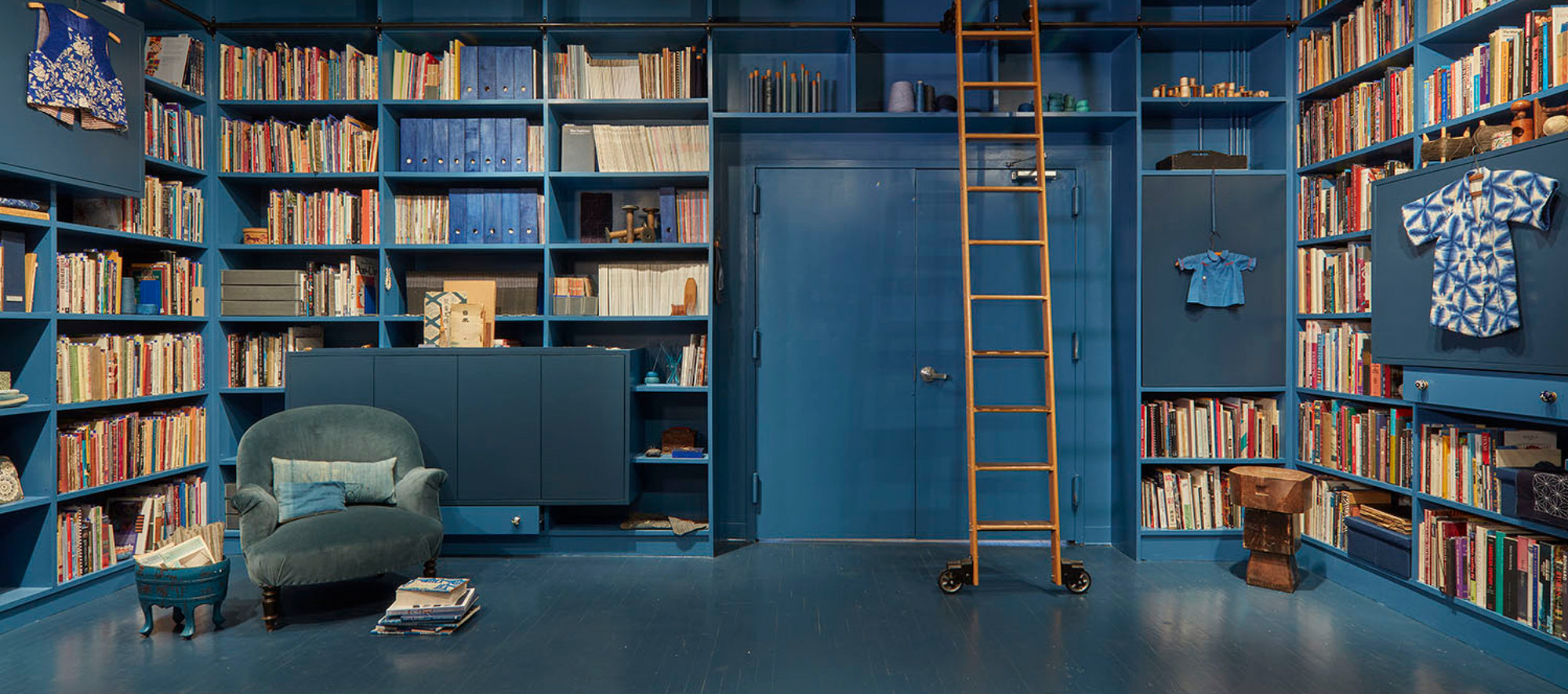


Spend a creative evening learning the art of illustrative embroidery inspired by the kantha tradition. Kantha are stitched and quilted textiles from the Indian subcontinent, whose ethos is rooted in sustainability, storytelling and mindfulness. Discarded fabrics are layered, embroidered and repurposed into textiles for function or display using a range of stitches. The illustrative style is marked by figurative designs drawn from everyday life — botanical, animal and human figures. Over the course of the evening you will learn the stitches used in illustrative kantha, following a design template Ekta has developed for the workshop.
You will begin by understanding what kantha is — its cultural significance, its ethos, and its vocabulary of stitches and motifs — looking at examples of illustrative kantha that Ekta has chosen from personal and museum collections in India, the US and the UK. She will share insights gained from her years of research into kantha, travelling in Bengal as well as through museums across India. Through step-by-step demonstrations you will learn a range of traditional kantha stitches, including outline and filling stitches, to create motifs and patterns, and you will learn about the structure and construction of kantha.
You will also learn the characteristic kantha quilting stitch that gives the cloth its softly rippled appearance so you leave with the skills to complete your own kantha stitched art. Your finished piece might become a wall hanging or a panel to use in future projects. A pdf of techniques and design ideas will be shared with you to take home.
Date
Thursday, August 13th, 2026
Time
5:00 – 8:00 pm ET
Cost
$110
Location
Tatter Textile Library: 505 Carroll Street, #2B, Brooklyn, NY 11215
Class Materials
A curated materials pack — including fabric, needles and threads — is provided. You are encouraged to bring along your own preloved fabrics or garments to layer into your work, in the true spirit of kantha.
____
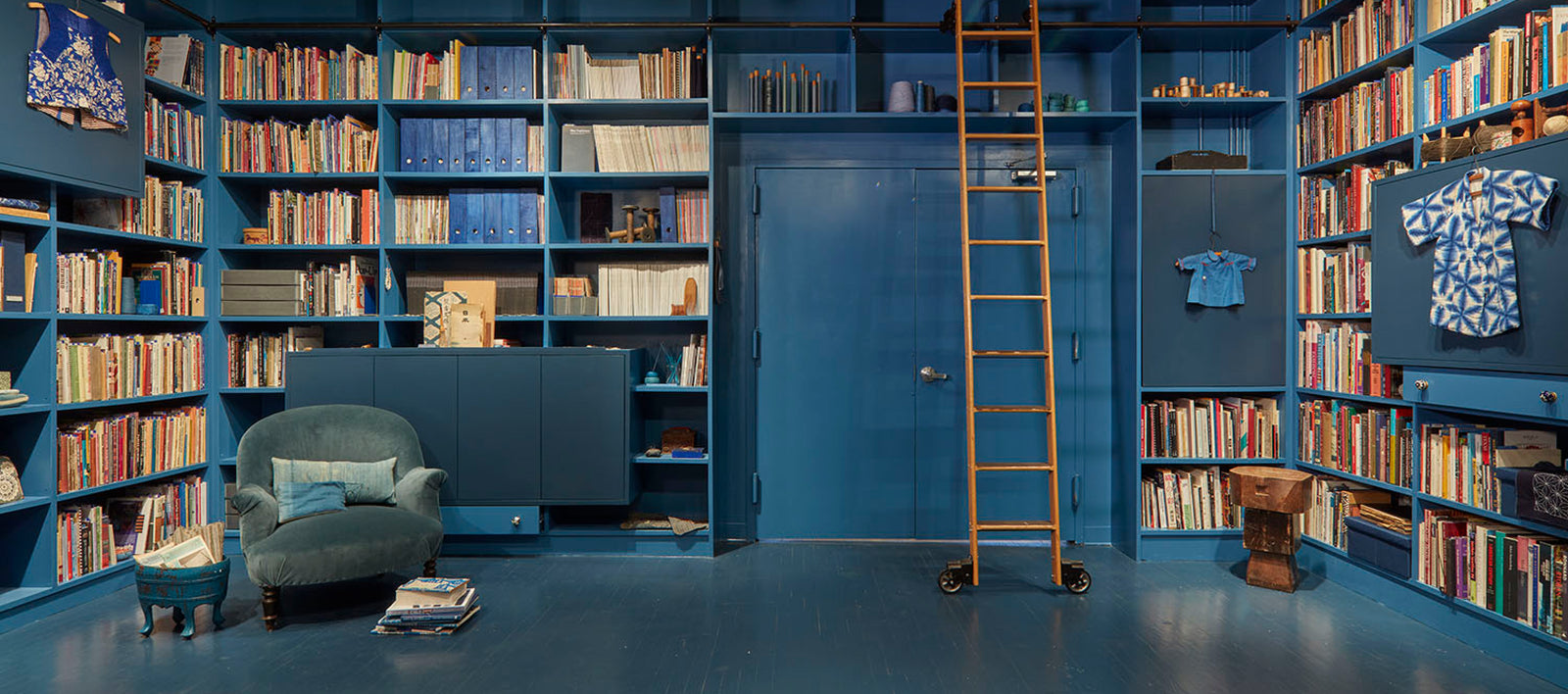
Shisha, Kantha, and Kachchh: South Asian Domestic Embroidery in the TATTER Collection is the first long-term exhibition in the Blue Library. Pulling together and highlighting pieces from our collection that present domestic textiles as works of art and their makers as artists, this exhibition will include shisha mirrorwork panels, kantha-stitched coverings for the home, and Kachchh (Kutch) dowry bags. These objects incorporate traditional motifs reflective of rural and nomadic life in the delta and desert regions of India, Bangladesh, and Pakistan. While they display the creativity and individual hands of the women and girls who made them, they also show signs of life in their wear and stains.
This exhibition emerged as a complement to our educational programming, lending materiality and context to the techniques our beloved veteran teachers, Ekta Kaul and Shahnaz Khan, have been offering our TATTER community for years. Shisha mirrorwork and Kachchh work, as taught by Shahnaz, are practiced by several nomadic communities in modern day India and Pakistan. Shisha is the process of attaching mirrors, coins, or otherwise reflective ornaments to cloth by encircling them with tightly stitched borders. Kachchhwork, also known as Sindhi Tarpoa or Sindhi Kadhai, originated in the Kachchh region and is created by stitching crosses side by side and then interconnecting them through a series of woven stitches. Kantha, as taught by Ekta, is an embroidery and quilting technique practiced for centuries by Bengali women in which cotton cloth, often reused from worn-out garments, is layered together for durability and embellished with brightly colored threads.
Our in-person exhibition will be available for early viewing to students attending Ekta’s Illustrative and Geometric Kantha classes on August 13th and 14th. The exhibit will be open to the public from September to December, with an expanded digital exhibition freely available on our Substack.