

 $150.00 USD
$220.00 USD
$150.00 USD
$220.00 USD Sold Out
  $30.00 USD
$44.00 USD
$30.00 USD
$44.00 USD
 Sold Out


Otomí embroidery, also known as Tenango embroidery, is attributed to the indigenous Otomí-Tepehua community in the mountains surrounding Tenango de Doria in the state of Hidalgo. This region is known as “the cradle of embroidery” due to the community’s dedication to the craft.
Otomí artisans draw inspiration from daily life, resulting in work that typically depicts images of local festivities, harvests, religious ceremonies, natural landscapes, plants, and animals. Many Otomí artists add mythological creatures, abstract designs, and fantastical plants to their embroideries.
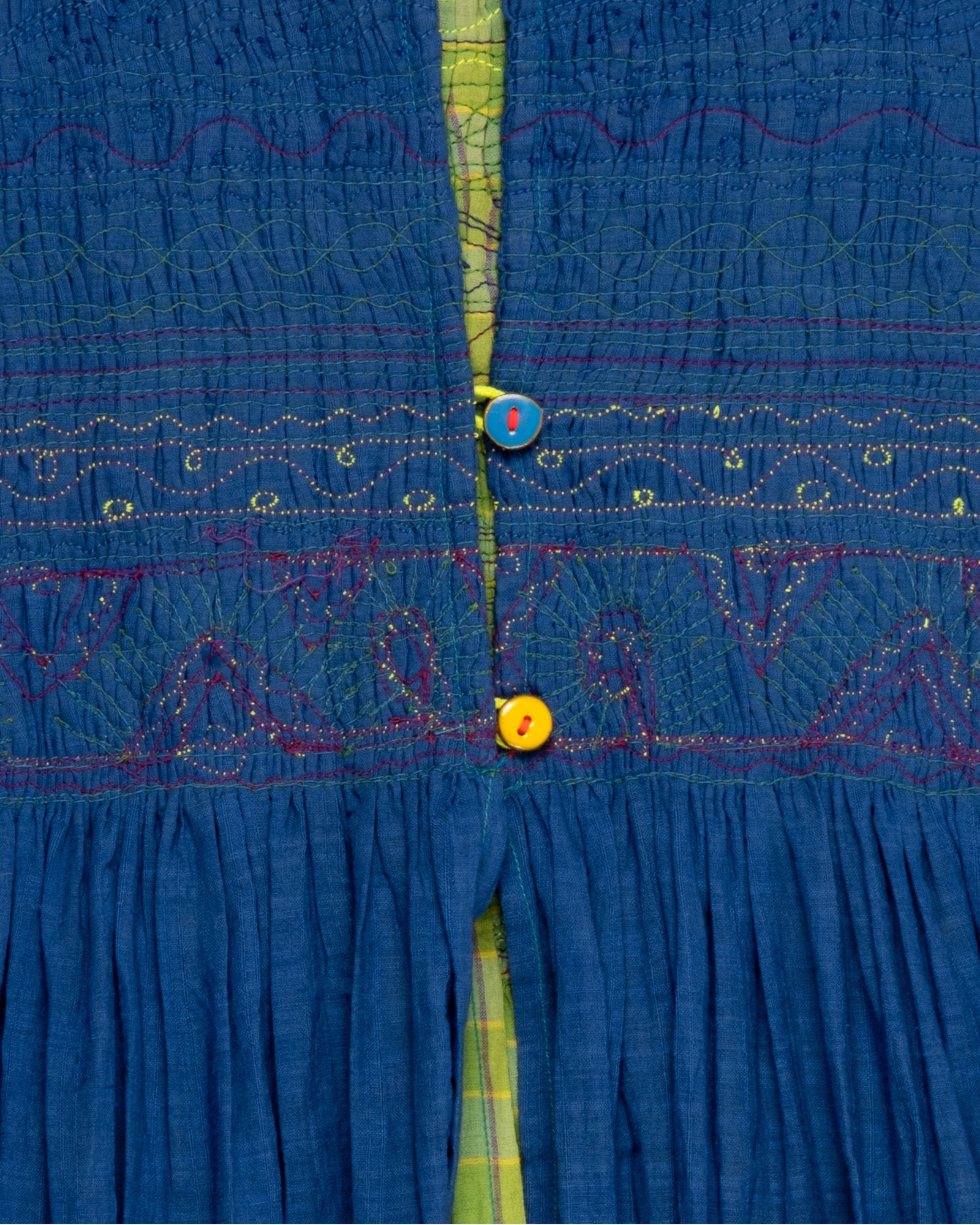
In addition to its distinct and joyful imagery, Otomí embroidery is well-loved for its vibrant use of color. Otomí embroidery technique maximizes the amount of colorful thread on the fabric by tactfully using what is available and minimizing thread on the backside.
In this workshop, participants will embroider a common Otomí motif at home, while learning about the history and deep cultural significance that embroidery plays in Mexican culture.
Date
Thursday, May 14th, 2026
Time
12:00-2:30 pm ET
Location
Zoom, a link will be sent to participants the day before class
Cost
$75
Recording
All World Embroidery Series sessions will be recorded. A link to each recording will be emailed to all registrants following the live session. Each link is live for three months after the live session.
Class Materials:
About the World Embroidery Series
TATTER’s World Embroidery Series is a celebration of global embroidery craft. Sewists will encounter an astonishing array of culturally specific techniques, and will have the opportunity to learn from accomplished practicing teachers who are equally purposed in preserving heritage techniques.