


 $150.00 USD
$220.00 USD
$150.00 USD
$220.00 USD Sold Out
  $30.00 USD
$44.00 USD
$30.00 USD
$44.00 USD
 Sold Out


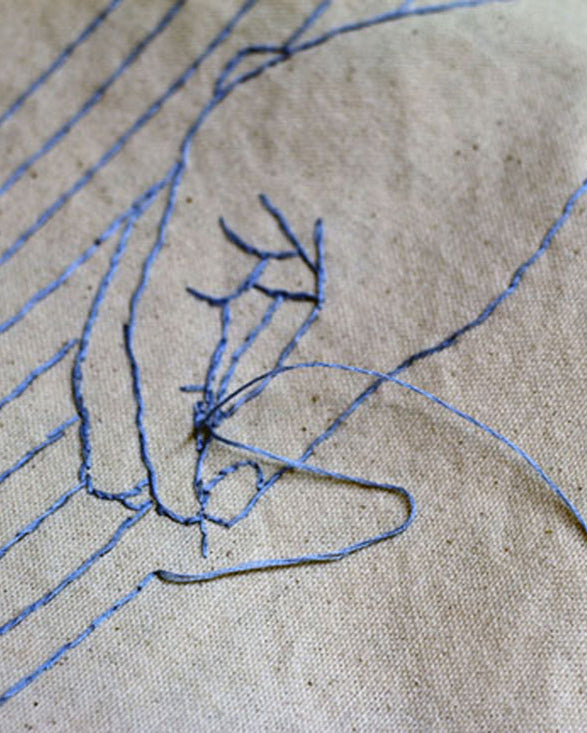
Írásos, a true expression of Kalotaszeg and Transylvanian culture and the pride of its people, adorns textiles primarily for use in the home and for decoration. The first pieces date back to the 18th Century. Some stitching decorated clothing while wall hangings were produced to commemorate ceremonies and as gifts for the church. Girls would sew their dowries, comprised of pillows, sheets, and bedspreads, as well as elaborately decorated dresses that included ribbons and beadwork.
– excerpted from ThreadWritten
This class will teach the basic stitches of the Kalotaszeg Open Chain Stitch, a Hungarian folk style that originated in Transylvania, Romania in the late 18th Century. As the basic chain stitch is learned and mastered, a beautiful pattern will emerge. Students will stitch a folkloristic design on a piece of linen that can later be sewn into a small bag, pin cushion, or decorative hanging, or added to a quilt or clothing. Sarah will share her knowledge of the culture and history of Transylvanian textiles and her extensive travel experiences in Hungary and Romania.
This class has been offered in the past at TATTER under the name of Hungarian Written Stitch.
Date
Thursday, April 2nd, 2026
Time
12:00-2:30 pm ET
Location
Zoom, a link will be sent to participants the day before class
Cost
$75
Recording
All sessions will be recorded. A link to the recording will be emailed to all those who register following the live session. This link is live for three months.
Class Materials
About the World Embroidery Series
TATTER's World Embroidery Series is a celebration of global embroidery craft. Sewists will encounter an astonishing array of culturally specific techniques, and will have the opportunity to learn from accomplished practicing teachers who are equally purposed in preserving heritage techniques.